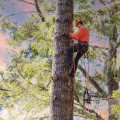
Keeping trees healthy while protecting nearby electrical systems requires a careful balance between proper arboriculture practices and strategic planning. Trees provide shade, improve air quality, and enhance the overall appearance of a property, but when they grow too close to electrical lines or equipment, they can create safety risks. Branches that come into contact with power lines may cause outages, sparks, or fires, while roots can interfere with underground conduits. By understanding how tree growth interacts with electrical infrastructure, homeowners can take proactive steps to maintain both without compromising safety or performance.
Strategic Tree Placement and Species Selection
One of the most effective ways to avoid conflicts between trees and electrical systems is through thoughtful placement and species selection. Choosing trees that have manageable growth patterns and planting them at appropriate distances from overhead lines and underground wiring helps prevent future issues. Smaller or slow-growing species are often ideal for areas near electrical components, as they are less likely to require frequent trimming. Planning ahead ensures that trees have enough space to thrive without interfering with essential systems, reducing the need for corrective measures later on.
Regular Pruning and Maintenance Practices
Routine tree maintenance is essential for keeping branches clear of electrical lines and equipment. Strategic pruning helps maintain safe distances while preserving the natural shape and health of the tree. Removing dead or overgrown branches reduces the risk of them falling during storms and causing damage to electrical systems. Regular inspections also allow homeowners to identify potential hazards early and address them before they escalate. These practices not only protect electrical infrastructure but also contribute to the long-term health and stability of the trees themselves.
Coordinating Tree Care with Electrical Upgrades
Coordinating tree care with electrical improvements can further enhance safety and efficiency. For example, homeowners planning upgrades such as EV charger installation in Frisco TX should evaluate the surrounding landscape to ensure that trees do not obstruct access or pose future risks to wiring and equipment. Working with both arborists and electrical professionals allows for a comprehensive approach that considers all aspects of the property. This collaboration ensures that trees are maintained in a way that supports ongoing electrical functionality while preserving their environmental benefits.
Long-Term Benefits of Integrated Tree and Electrical Care
Taking an integrated approach to tree care and electrical system maintenance offers significant long-term advantages. Properly managed trees are healthier, more stable, and less likely to cause damage, while well-protected electrical systems operate more reliably and require fewer repairs. This balance enhances property safety, reduces maintenance costs, and improves overall functionality. Over time, homeowners benefit from a landscape that is both beautiful and practical, where natural elements and modern infrastructure coexist harmoniously. Ultimately, maintaining tree health without disrupting electrical systems requires consistent care, thoughtful planning, and a commitment to protecting all aspects of the property.