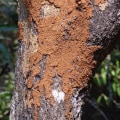
Healthy trees enhance curb appeal, provide shade, and contribute to environmental balance, but they require proper care and monitoring to remain safe and structurally sound. Knowing when to call for an arboriculture assessment can prevent property damage and preserve the long-term health of your landscape. Early warning signs often appear subtly. Cracks in the trunk, peeling bark, hollow cavities, or large dead branches may indicate structural weakness. Leaning trees, especially those that suddenly tilt after a storm, can signal root instability. Additionally, fungal growth at the base of a tree or mushrooms emerging from nearby soil may suggest internal decay. When these indicators appear, professional evaluation becomes essential to determine the extent of risk and necessary corrective action.
Post-Storm Damage and Structural Concerns
Severe weather events are one of the most common reasons homeowners seek arboriculture assessments. High winds, heavy rain, lightning, and ice accumulation can weaken branches or compromise root systems. Even if a tree appears stable immediately after a storm, hidden damage may exist within the trunk or beneath the soil surface. Broken limbs lodged high in the canopy can pose serious hazards if not safely removed. Soil saturation can loosen root structures, increasing the risk of sudden uprooting. Consulting a trusted tree service company after major weather events ensures that any compromised trees are inspected thoroughly, reducing the likelihood of unexpected falls that could damage homes, vehicles, or nearby structures.
Signs of Disease or Pest Infestation
Another critical reason to schedule an arboriculture assessment is the presence of disease or pest activity. Discolored leaves, premature leaf drop, unusual spotting, or thinning canopies may signal underlying health issues. Borers, beetles, and other insects often leave visible entry holes or sawdust-like residue along the bark. Left untreated, infestations can weaken trees from the inside out, making them more susceptible to breakage. Early diagnosis allows arborists to recommend targeted treatments, pruning strategies, or soil amendments that restore vitality. Prompt action not only protects the affected tree but also prevents the spread of disease to surrounding vegetation.
Planning for Construction or Landscaping Changes
Arboriculture assessments are also important when planning construction or significant landscaping modifications. Excavation, grading, or new hardscaping installations can disturb root systems and alter drainage patterns around established trees. Without proper planning, these changes may inadvertently compromise tree stability or health. Professional assessments evaluate root zones, soil conditions, and canopy structure to ensure that development projects do not negatively impact valuable trees. Recommendations may include protective barriers, soil aeration, or strategic pruning to reduce stress during construction. Taking preventative measures preserves mature trees that contribute significantly to property value and environmental sustainability.
Routine Maintenance and Long-Term Health
Even in the absence of visible problems, periodic arboriculture assessments support proactive tree care. Mature trees benefit from structural pruning, canopy thinning, and health evaluations that identify minor issues before they escalate. Routine inspections help homeowners understand growth patterns and anticipate potential hazards. This preventative approach extends tree lifespan and enhances safety throughout the property.
Ultimately, calling a tree service for arboriculture assessments is about protecting both natural beauty and structural safety. Whether addressing storm damage, disease, construction impacts, or routine maintenance, professional evaluation provides clarity and peace of mind. By responding promptly to warning signs and scheduling regular inspections, property owners can ensure their trees remain healthy, stable, and beneficial for years to come.